Noah Cresp
The Drug Diffusion Problem: Comparison of Analytic Methods
This project will investigate the modelling of drug diffusion in layered biological tissue where separate media have distinct physical properties. This closely reflects a real-world drug delivery problem, where tissues such as muscle and fat will have different absorption characteristics. Classical techniques often struggle with interface conditions, so I will be comparing two methods of obtaining solutions. Namely: the Laplace transform, and the Unified Transform Method. The aim of the project is to assess their accuracy, computational efficiency, and practical applicability. Numerical tools will be used to visualise and benchmark solutions, enabling a comparison of each model’s strengths and limitations. This work will highlight both the potential and the challenges of applying analytic techniques to multilayer diffusion, and will identify open questions that can be pursued in future honours or PhD research.
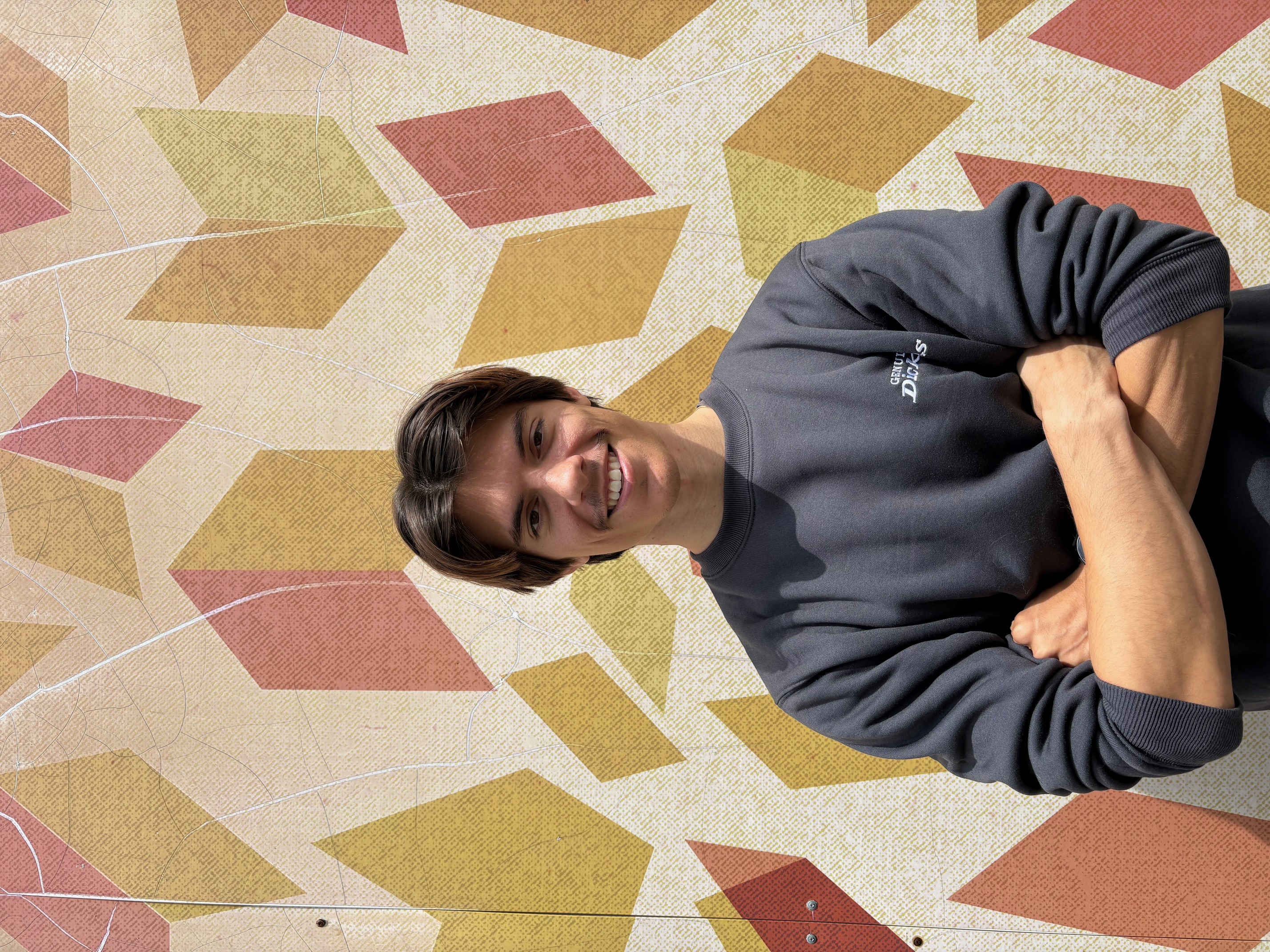
Noah Cresp
The University of Newcastle
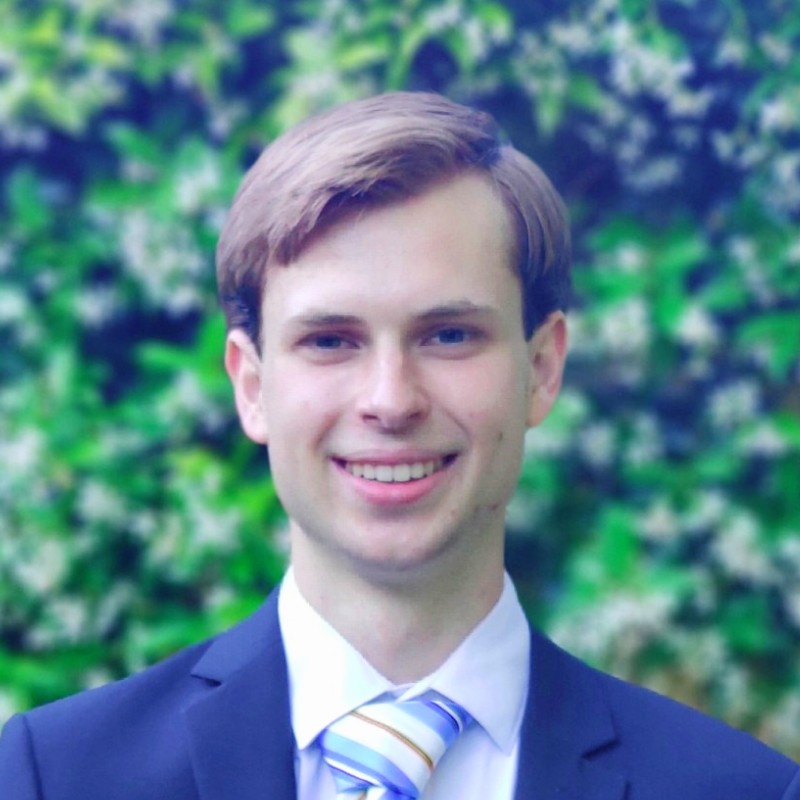
Noah Cresp is a 3rd-year student in a Bachelor of Mathematics and a PASS leader for a multivariable calculus & differential equations course, and multiple physics courses. His mathematical interests include partial differential equations, mathematical biology, and fluid dynamics. In his second year, Noah undertook an undergraduate research project titled: “Scattering in Piezoelectric Materials”.
Noah has enjoyed participating in Mathematics competitions since he was young and competes in the Simon Marais Competition every year. Outside of mathematics, Noah’s interests include surfing, rock climbing, chess, and playing the guitar – also keyboard, but he’s not so good at that!


You may be interested in
Michael Nefiodovas
Optimal Control in Stochastic Hydrodynamic Models: Rowing Across the Indian Ocean